Horizontal Simple Pattern: A Timeless Design for Modern Spaces
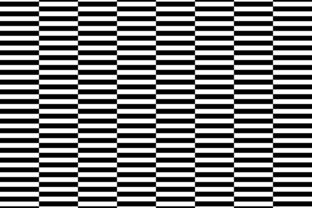
The Horizontal Simple Pattern has emerged as a staple in contemporary design, offering a clean and versatile aesthetic that seamlessly integrates into various environments. This pattern, characterized by its linear, uncluttered layout, is especially effective when rendered in a simple black and white background. Its adaptability makes it ideal for use across multiple mediums, including floor designs, textiles, wallpapers, and even digital screens. As modern lifestyles evolve, so too do the preferences for visual elements that promote clarity, balance, and functionality.
In today’s fast-paced world, simplicity is not just a trend—it's a necessity. The Seamless horizontal tile pattern, with its uninterrupted flow, provides an elegant solution for those seeking to enhance their surroundings without overwhelming the senses. Whether used in residential or commercial settings, this design element offers a subtle yet impactful way to elevate the visual appeal of any space.
The Evolution of Horizontal Simple Pattern
The concept of horizontal lines in design is not new. Historically, these lines have been used to create a sense of movement and direction, often found in architecture and interior design. However, the modern iteration of the Horizontal Simple Pattern has taken this idea further by emphasizing minimalism and functional beauty.
With the rise of minimalist design principles, the Seamless horizontal tile pattern has gained traction as a preferred choice among designers and homeowners alike. This pattern avoids the complexity of traditional motifs, focusing instead on creating a calm and cohesive atmosphere. It aligns well with the current preference for open spaces, where visual clutter is minimized, and natural light is maximized.
Why Horizontal Simple Pattern Resonates Today
Several factors contribute to the growing popularity of the Horizontal Simple Pattern. One key reason is its ability to complement a wide range of color schemes and textures. When paired with a simple black and white background, it creates a striking contrast that enhances visual interest without overpowering the overall design.
Moreover, the Seamless horizontal tile pattern is particularly well-suited for modern workflows and digital environments. In offices and co-working spaces, this pattern can be used on walls or panels to create a professional yet inviting ambiance. Similarly, in digital contexts such as websites or presentations, the pattern can serve as a backdrop that supports readability and focus.
Applications Across Mediums
The versatility of the Horizontal Simple Pattern allows it to be applied across a variety of surfaces and materials. From floors to textiles, this pattern offers a consistent aesthetic that can be tailored to suit different needs and preferences.
- Floor Design: When used in flooring, the Seamless horizontal tile pattern creates a sense of continuity and fluidity. It works particularly well in large open areas, helping to guide the eye and create a sense of space.
- Textiles: In fabric design, the Horizontal Simple Pattern can be incorporated into cushions, curtains, or upholstery to add texture and depth without overwhelming the room.
- Wallpaper: As a wallpaper, the Horizontal Simple Pattern brings a fresh and modern look to any wall. It can be used to highlight architectural features or to create a focal point in a room.
- Digital Screens: In digital applications, the Seamless horizontal tile pattern can be used as a background for websites, presentations, or mobile interfaces. It provides a clean and professional look that supports user engagement and readability.
Practical Implications for Designers and Users
For designers, the Horizontal Simple Pattern offers a reliable foundation upon which to build more complex designs. Its simplicity allows for easy integration with other elements, making it a valuable tool in both interior and graphic design.
For users, the Seamless horizontal tile pattern provides a practical solution for enhancing their living or working spaces. It can be used to create a sense of order and balance, which is especially important in environments where stress levels are high or where concentration is required.
One of the most significant benefits of this pattern is its ability to create a sense of harmony. In a world that often feels chaotic, the Horizontal Simple Pattern offers a much-needed contrast—bringing clarity and calm to any space.
Trends and Future Outlook
As we move forward, the Horizontal Simple Pattern is likely to remain a popular choice in design. Its adaptability and timeless appeal make it a safe bet for both current and future trends. In fact, many industry experts predict that the demand for minimalist and functional designs will continue to grow, further solidifying the place of this pattern in the design landscape.
Technological advancements are also playing a role in the evolution of this pattern. With the increasing use of digital tools in design, the Seamless horizontal tile pattern can now be easily customized and adapted to fit specific needs. This flexibility ensures that the pattern remains relevant across a wide range of industries and applications.
Looking ahead, the Horizontal Simple Pattern is expected to find new uses in emerging fields such as smart home technology and virtual reality. As these technologies become more integrated into our daily lives, the need for visually appealing and functional design elements will only increase.
Real-World Examples and Recommendations
To better understand how the Horizontal Simple Pattern can be applied in practice, consider the following examples:
- Home Interiors: Use the Seamless horizontal tile pattern as a feature wall in a living room to add visual interest without overwhelming the space.
- Office Spaces: Incorporate the pattern into office partitions or wall panels to create a professional and welcoming environment.
- Event Decor: Use the Horizontal Simple Pattern as a backdrop for events or photo sessions to create a clean and stylish setting.
- Product Packaging: Apply the pattern to product packaging to create a modern and sophisticated look that appeals to a wide audience.
When using the Horizontal Simple Pattern, it’s important to consider the context and purpose of the design. While the pattern itself is simple, the way it is implemented can greatly affect the overall outcome. Experimentation and thoughtful planning are key to achieving the best results.
In conclusion, the Horizontal Simple Pattern represents a powerful and versatile design element that continues to gain relevance in today’s world. Whether used in physical spaces or digital environments, this pattern offers a clean and elegant solution that meets the needs of a wide range of users and professionals. By embracing this pattern, designers and creators can bring a sense of balance, clarity, and sophistication to their work.