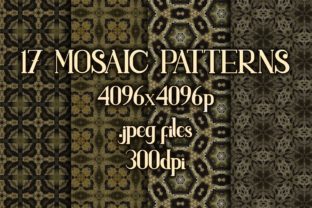
Mosaic Patterns: A Versatile Design Element for Modern Creativity
Mosaic patterns have long been a staple in design, art, and architecture. These intricate compositions, made up of small, individual pieces arranged to form a larger image or design, offer both aesthetic appeal and functional versatility. Whether used in digital backgrounds, decorative prints, or physical installations, mosaic patterns provide a unique way to add texture, depth, and visual interest to any project.
Understanding Mosaic Patterns
A mosaic pattern is created by arranging multiple small elements—often tiles, shapes, or images—to form a cohesive whole. This technique dates back thousands of years, with ancient civilizations using it in everything from floor coverings to religious iconography. Today, mosaic patterns have evolved to include a wide range of styles, from traditional geometric designs to modern abstract interpretations.
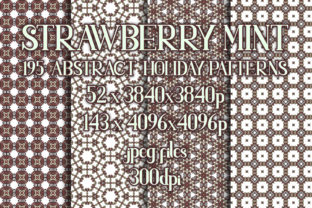
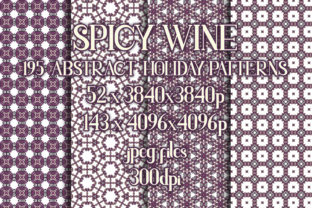
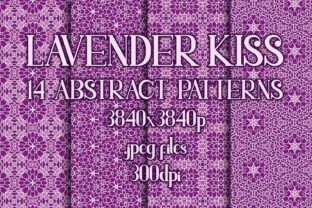
One of the defining characteristics of mosaic patterns is their ability to create a sense of movement and dimensionality. By varying the size, color, and placement of each piece, designers can achieve striking visual effects. For instance, a single mosaic pattern might incorporate a mix of square and rectangular tiles to simulate a three-dimensional texture, while another might use a uniform grid to evoke a more structured appearance.
The Value of Mosaic Patterns
Mosaic patterns are not just visually appealing—they also serve practical purposes. In interior design, they can be used to create focal points, add personality to walls, or enhance the overall ambiance of a space. In web design, mosaic patterns can be used as background textures that subtly complement content without overwhelming it.
For creators and professionals, mosaic patterns offer a flexible tool for personal expression or commercial use. They can be customized to fit specific themes, brands, or artistic visions. Additionally, their modular nature allows for easy adaptation across different mediums, from print to digital formats.
Applications of Mosaic Patterns
The versatility of mosaic patterns makes them suitable for a wide range of applications. Here are some common uses:
- Interior Design: Mosaic patterns can be used on walls, floors, and countertops to add a touch of elegance or uniqueness.
- Web and App Design: As background textures or decorative elements, mosaic patterns can enhance user experience without distracting from core content.
- Fashion and Textiles: Mosaic-inspired prints are often used in clothing, accessories, and fabric designs to create eye-catching visuals.
- Art and Craft Projects: Artists and hobbyists can use mosaic patterns to create custom mosaics, wall art, or DIY home decor items.
- Commercial Use: Businesses can incorporate mosaic patterns into branding materials, packaging, or promotional assets to create a distinctive visual identity.
Whether you're a designer, artist, or business owner, understanding how to effectively use mosaic patterns can elevate your projects and help you stand out in a competitive market.
Key Features of Mosaic Patterns
When working with mosaic patterns, there are several key features to consider:
- Texture: Mosaic patterns often introduce a tactile quality, making them ideal for adding depth and complexity to designs.
- Color Variety: The ability to mix and match colors allows for endless creative possibilities, from monochromatic schemes to vibrant, dynamic compositions.
- Modularity: Each element in a mosaic pattern is independent, which means it can be easily modified, rearranged, or replaced without affecting the overall design.
- Scalability: Mosaic patterns can be scaled up or down depending on the intended use, making them adaptable to various project sizes and formats.
- Customization: With the right tools and techniques, mosaic patterns can be tailored to meet specific design needs or brand requirements.
These features make mosaic patterns an excellent choice for both beginners and experienced designers looking to expand their creative toolkit.
Who Benefits from Mosaic Patterns?
Mosaic patterns are beneficial for a wide range of users, including:
- General Consumers: Looking for ways to personalize their homes or digital spaces, individuals can use mosaic patterns to create unique, eye-catching designs.
- Professionals: Interior designers, graphic designers, and architects can incorporate mosaic patterns into their work to add visual interest and depth.
- Creators: Artists and crafters can use mosaic patterns as inspiration or as part of their creative process, whether in digital or physical media.
- Business Owners: Companies can leverage mosaic patterns to develop a distinctive brand identity or enhance their marketing materials.
- Online Users: Anyone with a digital presence, from bloggers to social media influencers, can benefit from using mosaic patterns to enhance their visual content.
By offering both aesthetic and functional advantages, mosaic patterns cater to a diverse audience with varying needs and goals.
Strengths and Limitations
While mosaic patterns offer numerous benefits, it's important to be aware of their limitations:
- Strengths:
- High visual impact and creativity potential
- Adaptable to various design contexts and mediums
- Encourages personalization and customization
- Can be used for both practical and decorative purposes
- Limitations:
- May require more time and effort to create compared to simpler designs
- Can be challenging to scale without losing detail or clarity
- Not always suitable for high-traffic or high-wear environments
- May need additional support or reinforcement in certain applications
Understanding these strengths and limitations will help you determine whether mosaic patterns are the right choice for your specific project or need.
Real-World Examples and Applications
To better understand how mosaic patterns can be applied in real-world scenarios, let's look at a few examples:
Example 1: Web Background Texture
A website designer might use a mosaic pattern as a subtle background texture to add depth to a landing page. This approach enhances the visual appeal without distracting from the main content.
Example 2: Interior Wall Art
An interior decorator could create a custom mosaic pattern to serve as a focal point on a living room wall. This application adds a unique and artistic element to the space.
Example 3: Fashion Print Design
A fashion designer might incorporate a mosaic pattern into a clothing line to create a distinctive and eye-catching print. This application demonstrates how mosaic patterns can be used in the fashion industry.
Example 4: Digital Art Creation
An artist could use a mosaic pattern as a base for a digital artwork, layering additional elements to create a more complex and dynamic composition.
These examples illustrate the wide range of applications for mosaic patterns and highlight their adaptability across different industries and design contexts.
Evaluating Suitability for Your Needs
Before incorporating mosaic patterns into your project, it's essential to evaluate whether they are the right choice for your specific needs. Consider the following factors:
- Purpose: What is the primary goal of your design? Is it to add visual interest, convey a message, or create a focal point?
- Audience: Who will be interacting with your design? Will they appreciate the complexity and detail of a mosaic pattern, or do they prefer something more straightforward?
- Medium: Are you working with digital or physical materials? Different mediums may require different approaches when using mosaic patterns.
- Time and Resources: How much time and effort are you willing to invest in creating or sourcing mosaic patterns?
- Brand Identity: Does the mosaic pattern align with your brand's aesthetic and values? It should enhance rather than detract from your overall brand image.
By carefully considering these factors, you can make an informed decision about whether mosaic patterns are the best choice for your project.