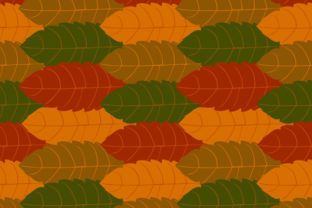
Autumn Leaves Decorative Border
The Autumn Leaves Decorative Border is a versatile design element that brings warmth, creativity, and visual appeal to various projects. Whether you're working on a digital layout, a print design, or a creative presentation, this border can enhance the aesthetic of your work without overwhelming it. Available in both vector EPS and JPG formats, it offers flexibility for use across different platforms and mediums.
Where Does It Fit In?
The Autumn Leaves Decorative Border serves as an accent rather than a focal point. It’s ideal for adding seasonal flair to documents, websites, social media graphics, and even physical signage. Its design is subtle enough to complement other elements but strong enough to make a statement when needed.
This border is particularly useful during the final stages of a project. It allows designers and creators to add a finishing touch that aligns with the theme or mood of their work. For instance, if you're creating a fall-themed blog post or a marketing campaign, this border can help reinforce the seasonality of your content.
Before, During, and After the Process
When used before a project begins, the Autumn Leaves Decorative Border can inspire creativity. Its visual presence can spark ideas about color schemes, typography, and overall design direction. For example, a graphic designer might use it as a reference while brainstorming a new collection of seasonal products.
During the execution phase, the border can be integrated into layouts, headers, footers, or sidebars. It acts as a consistent visual cue that ties together different sections of a website or document. This helps maintain brand identity and ensures a cohesive look throughout the project.
After the project is completed, the border can be used in presentations, reports, or promotional materials. It adds a professional yet approachable feel to the final output, making it more engaging for the audience.
How It Interacts With Other Tools
The Autumn Leaves Decorative Border works well with a variety of design tools and platforms. As a vector file (EPS), it can be scaled without losing quality, making it perfect for use in Adobe Illustrator, InDesign, or Photoshop. The JPG format is ideal for web-based projects, ensuring fast loading times and compatibility with most online platforms.
It also integrates seamlessly with templates and themes. Many design software programs offer built-in borders and frames, but using a custom border like this one allows for greater customization. You can adjust the size, position, and layering to fit your specific needs.
For those who rely on collaboration tools, such as Figma or Canva, the border can be shared easily among team members. This makes it a valuable asset for remote teams or freelance designers who need to maintain consistency across multiple projects.
Practical Implementation Tips
- Use it as a background element: Place the border behind text or images to create depth and contrast.
- Pair it with complementary colors: Choose a border that matches the color palette of your design to ensure visual harmony.
- Adjust transparency: Use the opacity settings in your design software to blend the border with other elements smoothly.
- Test across devices: Ensure the border looks good on both desktop and mobile screens, especially if it's part of a website or app.
- Save in multiple formats: Keep both the EPS and JPG versions for different use cases, whether you're printing or publishing digitally.
One important consideration is the resolution of the image. While the JPG format is suitable for most digital applications, the EPS file is best for high-quality prints. Always check the requirements of your project to choose the right version.
Workflow Examples
Let’s consider a few real-world scenarios where the Autumn Leaves Decorative Border can be applied:
- Social Media Graphics: Add the border to Instagram stories or Facebook posts to give them a seasonal feel. This can help increase engagement by aligning the visuals with the time of year.
- Blog Posts: Use the border in the header or sidebar of a blog to create a cohesive look. It can also serve as a visual anchor for readers, guiding their attention to key sections.
- Marketing Materials: Incorporate the border into brochures, flyers, or email templates to reinforce the autumn theme of a product launch or event.
- Personal Projects: Apply the border to personal journals, scrapbooks, or creative notebooks to add a decorative touch that reflects the season.
Each of these examples demonstrates how the border can be integrated into different workflows, enhancing both the visual and functional aspects of the project.
Factors to Consider
When incorporating the Autumn Leaves Decorative Border into your workflow, there are several factors to keep in mind:
- Preparation: Make sure you have the correct file format and resolution for your intended use case.
- Compatibility: Check that the border works well with the tools and platforms you’re using.
- Usability: Ensure the border doesn’t distract from the main content or interfere with readability.
- Organization: Keep your files organized so you can quickly access the border when needed.
- Efficiency: Use the border to streamline your design process and save time on repetitive tasks.
- Consistency: Maintain a uniform style across all projects to build brand recognition.
- Quality Control: Review your work to ensure the border enhances rather than detracts from the overall design.
- Long-Term Use: Consider how the border can be reused in future projects to maximize its value.
By paying attention to these factors, you can ensure that the Autumn Leaves Decorative Border becomes a reliable and effective tool in your creative arsenal.
Integrating Into Your Routine
Whether you're a professional designer, a small business owner, or a hobbyist, the Autumn Leaves Decorative Border can be a valuable addition to your toolkit. Its versatility means it can adapt to a wide range of projects and industries, from education and marketing to personal creativity and productivity.
To integrate it smoothly into your routine, start by identifying areas where it can add value. Then, experiment with different ways to use it—whether as a background element, a decorative accent, or a thematic component. Over time, you’ll develop a sense of how it fits into your unique workflow and creative process.
Remember, the goal is not to overwhelm your design with too many elements, but to enhance it with thoughtful details. The Autumn Leaves Decorative Border is just one of those details that can make a big difference when used correctly.