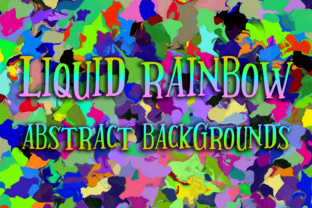
Liquid Rainbow Backgrounds: A Versatile Tool for Creative Design Projects
Liquid Rainbow Backgrounds offer a unique blend of vibrancy and fluidity, making them an appealing choice for designers, artists, and content creators looking to add dynamic visual elements to their projects. These backgrounds are characterized by their abstract, psychedelic patterns that resemble liquid in motion, creating a sense of movement and depth. Unlike traditional solid or gradient backgrounds, Liquid Rainbow Backgrounds provide a more complex and engaging visual texture that can enhance the aesthetic appeal of various digital and print media.
Understanding the Characteristics of Liquid Rainbow Backgrounds
The defining feature of Liquid Rainbow Backgrounds is their ability to simulate the appearance of flowing colors, often achieved through intricate layering and blending techniques. This results in a visually striking effect that captures attention while maintaining a level of subtlety that allows it to complement rather than overpower other design elements. The high resolution of these backgrounds—typically 300 DPI with dimensions of 3600 x 3600 pixels—ensures they remain crisp and clear even when scaled up for large-format printing or high-resolution displays.
Each of the six JPG files included in the download provides a distinct variation of this style, allowing users to select the most appropriate option based on their specific needs. Whether used as a backdrop for digital art, website headers, or printed materials, these backgrounds can add a layer of sophistication and creativity to any project.
Comparing Liquid Rainbow Backgrounds with Similar Options
While Liquid Rainbow Backgrounds have their own unique qualities, it's important to consider how they compare with other types of decorative backgrounds. Traditional gradient backgrounds, for example, offer a smooth transition between colors but lack the complexity and movement found in Liquid Rainbow designs. Similarly, geometric pattern backgrounds provide structure and repetition, which may not be suitable for projects requiring a more organic feel.
Abstract backgrounds, such as those featuring splatter effects or brush strokes, share some similarities with Liquid Rainbow Backgrounds in terms of their non-repetitive nature. However, the fluid, almost liquid-like appearance of the rainbow variations sets them apart, offering a more dynamic visual experience. When compared to photo-realistic textures or natural landscapes, Liquid Rainbow Backgrounds stand out for their surreal and artistic qualities, making them ideal for creative and experimental design work.
Strengths and Tradeoffs of Using Liquid Rainbow Backgrounds
The primary strength of Liquid Rainbow Backgrounds lies in their versatility. They can be adapted to a wide range of applications, from digital illustrations and web banners to packaging design and interior décor. Their high resolution ensures that they maintain quality across different mediums, making them a reliable choice for both professional and personal projects.
However, there are also tradeoffs to consider. Due to their complexity and vibrant color palette, these backgrounds may not be suitable for all contexts. In situations where simplicity or minimalism is preferred, a more subdued background might be a better fit. Additionally, the abstract nature of Liquid Rainbow Backgrounds may require careful consideration when pairing them with other design elements to ensure visual harmony.
Best-Fit Situations for Liquid Rainbow Backgrounds
Liquid Rainbow Backgrounds are particularly well-suited for projects that benefit from a bold and imaginative aesthetic. They are an excellent choice for creative portfolios, art exhibitions, and digital marketing campaigns aimed at younger audiences or niche markets. The psychedelic and abstract qualities of these backgrounds can evoke a sense of energy and innovation, making them ideal for branding efforts that seek to stand out in a crowded market.
In the realm of digital content creation, these backgrounds can be used to enhance social media posts, video thumbnails, and website landing pages. Their eye-catching nature helps draw attention and can contribute to increased engagement. For print-based applications, such as posters, invitations, and packaging, the high resolution ensures that the intricate details remain visible and impactful.
When to Consider Alternatives
Despite their many advantages, there are scenarios where alternative background options may be more appropriate. For instance, if the goal is to create a clean and professional look, such as in corporate branding or academic presentations, a simpler background would likely be more effective. In these cases, subtle gradients or solid colors may be preferable to avoid overwhelming the viewer.
Additionally, if the project requires a more realistic or natural aesthetic, backgrounds that mimic real-world textures—such as wood grain, stone, or fabric—may be a better fit. It's also worth considering the target audience; while Liquid Rainbow Backgrounds may resonate well with younger demographics or those interested in avant-garde design, they may not align with the preferences of more conservative or traditional audiences.
Practical Applications and Real-World Examples
To illustrate the potential of Liquid Rainbow Backgrounds, consider a digital artist creating a series of abstract paintings. By using one of these backgrounds as a canvas, the artist can achieve a cohesive and immersive visual experience that enhances the overall impact of the artwork. Similarly, a web designer working on a music festival website could incorporate these backgrounds into the header section to create an energetic and vibrant atmosphere that matches the event's theme.
In the context of print design, a boutique clothing brand looking to launch a new collection might use Liquid Rainbow Backgrounds for promotional materials. The bold and colorful nature of these backgrounds can help convey the brand's identity and attract attention in a competitive retail environment. Another example could be a graphic designer creating a custom invitation for a themed party, where the psychedelic and abstract qualities of the background align perfectly with the event's concept.
These examples highlight how Liquid Rainbow Backgrounds can be tailored to suit a variety of creative needs. Their adaptability makes them a valuable resource for anyone seeking to add a touch of originality and flair to their projects.
Final Thoughts on Choosing the Right Background
Selecting the right background for a project involves careful consideration of several factors, including the intended purpose, target audience, and overall design aesthetic. While Liquid Rainbow Backgrounds offer a distinctive and visually compelling option, they are not universally applicable. Understanding their strengths and limitations can help ensure that they are used effectively and appropriately.
Ultimately, the decision to use Liquid Rainbow Backgrounds should be guided by the specific requirements of the project and the desired outcome. By evaluating alternatives and weighing the pros and cons of each option, designers and creators can make informed choices that enhance the quality and impact of their work.