Decorative Overlays: A Versatile Tool for Creative Design
Decorative overlays have become a staple in the world of digital design, offering designers a flexible and visually appealing way to enhance their projects. These overlays are not just decorative elements; they serve as functional tools that can transform the aesthetic of any visual composition. One such collection is Decorative Overlays, which provides a diverse range of image overlays designed to add depth, texture, and color to digital artwork.
What Are Decorative Overlays?
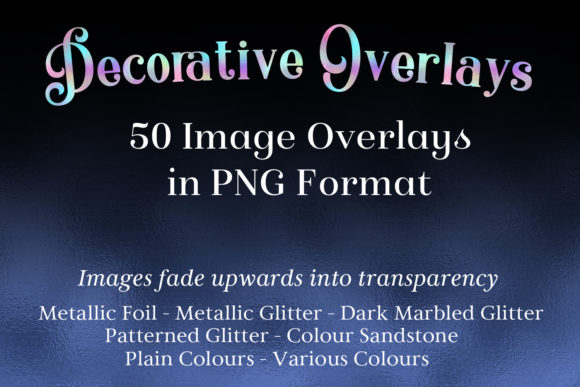
Decorative overlays are digital assets that can be layered over images or backgrounds to create a more dynamic and engaging visual effect. They are typically transparent PNG files, allowing them to blend seamlessly with the underlying content. The key feature of these overlays is their ability to fade out at the top, creating a gradient-like effect that softens the transition between the overlay and the background.
The Decorative Overlays set includes 50 high-quality image overlays, each measuring 2500x2500 pixels and rendered at 300 PPI for exceptional clarity. This resolution ensures that the overlays maintain their quality even when scaled up or used in print media. The use of transparent backgrounds makes them compatible with a wide range of design software, including Adobe Photoshop, which supports multiple layers and transparency.
Exploring the Variety of Decorative Overlays
The Decorative Overlays collection is carefully curated to cater to different design needs and preferences. Each overlay is crafted with specific styles and purposes in mind, making it easy for designers to find the right fit for their project. Here's a breakdown of the different types included:
- Metallic Foil Overlays (10): These overlays add a touch of luxury and sophistication with their shiny, reflective surfaces. Ideal for creating a premium feel in branding materials or product photography.
- Metallic Glitter Overlays (5): Perfect for adding sparkle and shine to designs without overwhelming the composition. Great for festive themes or promotional graphics.
- Dark Marbled Glitter Overlays (5): Combining the elegance of marble patterns with a subtle glitter effect, these overlays offer a unique blend of texture and light.
- Coloured Sandstone Overlays (5): These overlays evoke a sense of earthy warmth and natural beauty, making them ideal for nature-inspired designs or rustic themes.
- Plain Coloured Overlays (10): Simple yet effective, these overlays provide a solid base for adding color and depth to any design without complex textures.
- Various Colourful Overlays (10): A mix of vibrant colors and patterns, these overlays are perfect for creative experimentation and adding visual interest to projects.
- Patterned Glitter Overlays (5): Featuring intricate patterns combined with a glitter effect, these overlays are excellent for creating eye-catching visuals in digital art and web design.
How Do Decorative Overlays Compare to Other Options?
When considering decorative overlays, it's important to understand how they differ from other design elements such as gradients, textures, and filters. Unlike traditional gradients, which are usually linear or radial, decorative overlays offer a more organic and customizable approach. They can be adjusted in terms of opacity, position, and blending modes to suit the specific needs of a design.
Compared to textures, which often have a more uniform appearance, decorative overlays allow for greater variation and creativity. They can be used to simulate the look of materials like fabric, metal, or glass, providing a more realistic and detailed effect. Additionally, decorative overlays are generally easier to apply and manipulate within design software, making them a preferred choice for many professionals.
One potential limitation of decorative overlays is that they may require more technical knowledge to use effectively. Designers need to understand how to layer, adjust transparency, and blend overlays with the underlying content. However, this learning curve is often offset by the versatility and flexibility these overlays offer.
When to Choose Decorative Overlays
Decorative overlays are particularly well-suited for projects that require a balance between aesthetics and functionality. They are ideal for use in graphic design, web development, and digital marketing, where visual appeal plays a crucial role. For example, a designer working on a product launch might use metallic foil overlays to create a sleek and modern look, while a web developer could incorporate patterned glitter overlays to add a playful touch to a website's background.
These overlays are also beneficial for those who want to experiment with different design styles without committing to permanent changes. Their non-invasive nature allows designers to easily test and refine their ideas before finalizing a project. This makes them an excellent resource for both beginners and experienced designers alike.
Alternatives and Considerations
While Decorative Overlays offer a wide range of options, there are other design elements that may be more suitable depending on the project's requirements. For instance, if a designer is looking for a more minimalistic approach, plain colored overlays might be the better choice. On the other hand, if the goal is to create a highly detailed and realistic effect, textures or 3D models could be more appropriate.
It's also worth considering the file format and resolution of the overlays. While PNG files with transparent backgrounds are standard for decorative overlays, some projects may require vector-based formats like SVG for scalability. Additionally, the size of the overlays should be taken into account, especially when working with large-scale prints or high-resolution displays.
Conclusion
Decorative overlays are a valuable tool in the designer's toolkit, offering a versatile and visually engaging way to enhance digital compositions. Whether you're looking to add a touch of elegance, spark some creativity, or achieve a specific aesthetic, the Decorative Overlays collection provides a comprehensive range of options to suit your needs. By understanding the strengths and limitations of these overlays, you can make informed decisions that elevate your designs and meet your creative goals.