Christmas Tree: A Strategic Design Element for Creative and Commercial Applications
The Christmas Tree is more than just a festive symbol; it represents tradition, creativity, and opportunity. In the context of design and branding, the Christmas Tree can serve as a powerful visual element that resonates with audiences across cultures and industries. Whether you're an entrepreneur launching a seasonal product line or a designer looking to infuse holiday cheer into your work, understanding the strategic value of the Christmas Tree is essential.
Understanding the Christmas Tree in Design Contexts
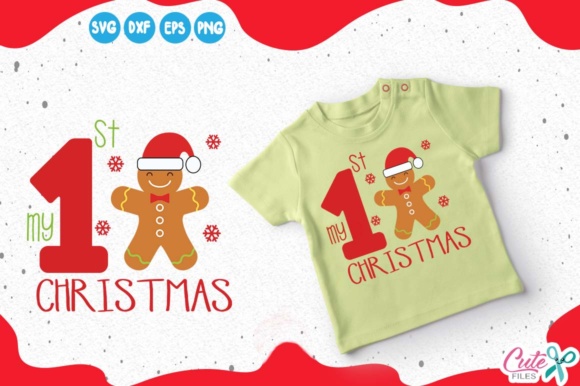
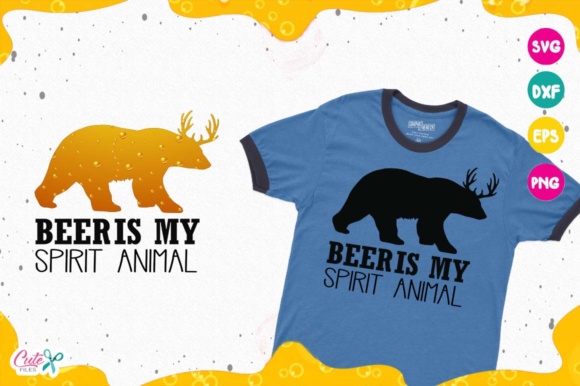
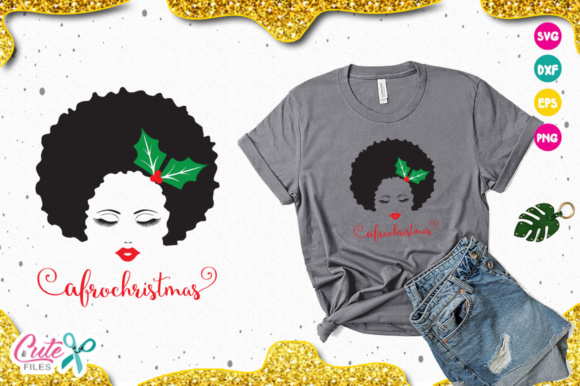
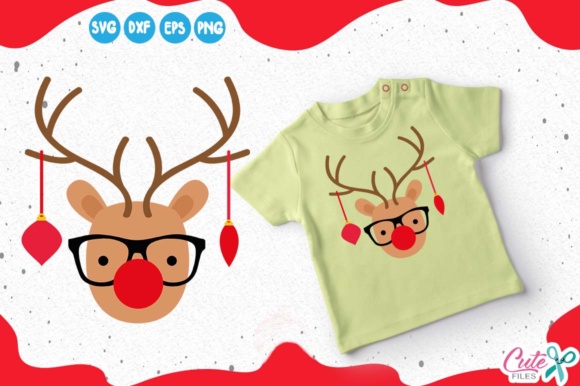
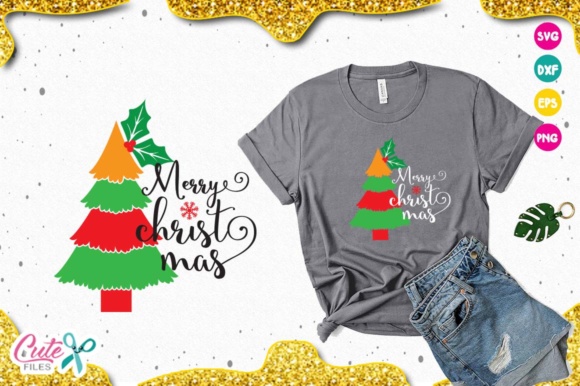
A Christmas Tree is typically associated with celebration, joy, and the spirit of giving. However, its significance extends beyond symbolism. When used thoughtfully in design, it can enhance brand identity, evoke emotional connections, and drive engagement. The downloadable files—such as SVG, DXF, EPS, and PNG formats—offer flexibility and precision, allowing designers to integrate the Christmas Tree into various mediums seamlessly.
The versatility of these files makes them suitable for multiple applications. From T-shirts and decorative cups to towels and personalized items, the Christmas Tree can be adapted to fit different purposes. This adaptability is particularly valuable for businesses aiming to create a cohesive seasonal theme or for individuals looking to add a personal touch to their products.
Strategic Use of Christmas Tree Files in Branding and Marketing
Incorporating the Christmas Tree into branding strategies can help businesses stand out during the holiday season. For instance, a small business owner might use the Christmas Tree design on promotional materials, packaging, or digital content to align with consumer expectations and boost sales. By doing so, they create a sense of familiarity and warmth that can enhance customer experience.
Marketers can leverage the Christmas Tree to craft compelling campaigns that resonate emotionally with their target audience. A well-designed Christmas Tree graphic can convey themes of togetherness, generosity, and nostalgia—key emotions that drive consumer behavior during the holidays. This emotional connection can translate into increased brand loyalty and repeat purchases.
For creators and freelancers, the Christmas Tree offers a canvas for innovation. Whether designing custom merchandise or creating digital art, the Christmas Tree can be a focal point that inspires creativity. Its classic form provides a foundation upon which unique variations can be built, making it a versatile asset for artists and designers alike.
Planning and Implementation: Key Considerations
Before integrating the Christmas Tree into any project, it's crucial to define clear goals and objectives. Are you aiming to increase brand visibility? Drive sales? Or simply create a festive atmosphere? Understanding your purpose will guide your approach and ensure that your efforts are aligned with your broader strategy.
Consider the context in which the Christmas Tree will be used. Will it appear on physical products, digital platforms, or both? Each medium has its own requirements and limitations. For example, high-resolution files like EPS and SVG are ideal for print and scalable graphics, while PNG files are better suited for web use. Choosing the right file format based on the intended application is essential for achieving professional results.
Additionally, think about how the Christmas Tree fits into your overall design language. Does it complement your existing color palette and typography? Is it consistent with your brand's visual identity? These questions will help ensure that your design choices are intentional and impactful.
Possible Risks and How to Avoid Them
While the Christmas Tree is a beloved symbol, using it without consideration can lead to unintended consequences. Overusing the image may dilute its impact or make your brand appear generic. It's important to strike a balance between familiarity and originality.
Another risk is misalignment with your target audience. While the Christmas Tree is widely recognized, not all consumers associate it with the same meanings. Conducting market research to understand how your audience perceives the symbol can help you make informed decisions.
Finally, relying solely on the Christmas Tree without incorporating other elements of your brand's identity may limit your creative potential. Think of it as one piece of a larger puzzle. Combining it with other symbols, colors, and messaging will create a more dynamic and effective design.
Practical Examples and Planning Tips
Let’s consider a few practical examples of how the Christmas Tree can be used strategically:
- Product Packaging: A boutique selling handmade candles could feature a minimalist Christmas Tree illustration on its packaging to evoke a sense of elegance and tradition.
- Social Media Campaigns: A local bakery might use the Christmas Tree as a recurring motif in its social media posts to build anticipation for holiday specials.
- Personalized Merchandise: An online store offering custom T-shirts could allow customers to add a Christmas Tree design to their shirts, encouraging user-generated content and community engagement.
When planning your use of the Christmas Tree, start by identifying your key messages and desired outcomes. Then, explore how the image can support those messages visually. Finally, test your designs with a small group of users to gather feedback before rolling them out on a larger scale.
Long-Term Value and Creative Opportunities
The strategic use of the Christmas Tree can yield long-term benefits beyond the holiday season. For instance, businesses that successfully incorporate the image into their branding may see continued recognition and positive associations even after the holidays pass. This can be especially valuable for companies that operate year-round but want to maintain a festive presence.
Moreover, the Christmas Tree can serve as a foundation for ongoing creative projects. Artists can experiment with different styles, colors, and interpretations of the tree, creating a series of works that evolve over time. This not only keeps the design fresh but also allows for greater engagement with audiences who appreciate innovation.
For educators and professionals in creative fields, the Christmas Tree can be a teaching tool or inspiration for workshops and courses. Exploring its history, symbolism, and design possibilities can provide valuable insights into the intersection of culture and creativity.
In conclusion, the Christmas Tree is a multifaceted design element that, when used intentionally, can enhance branding, marketing, and creative projects. By considering its strategic value, planning carefully, and avoiding common pitfalls, you can harness its power to achieve meaningful results.