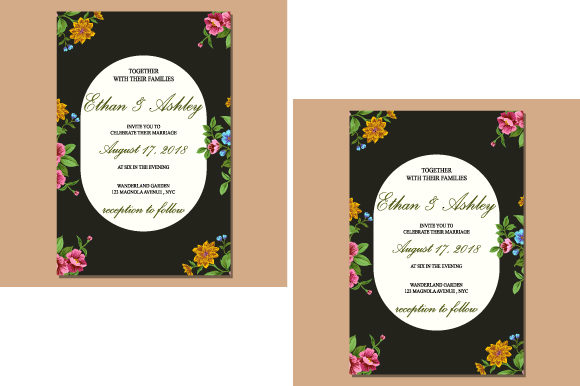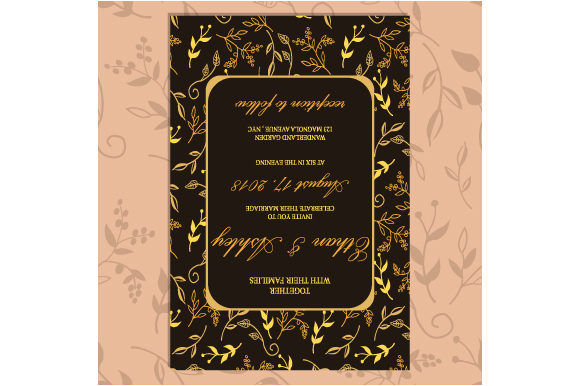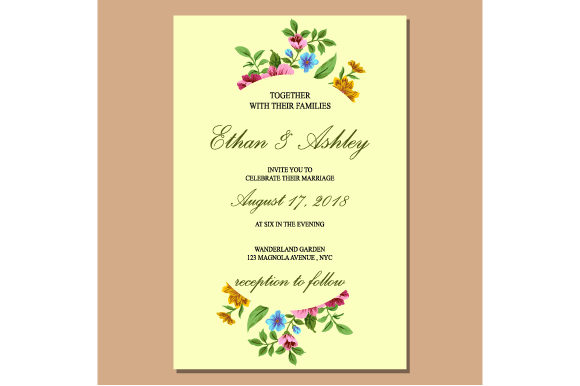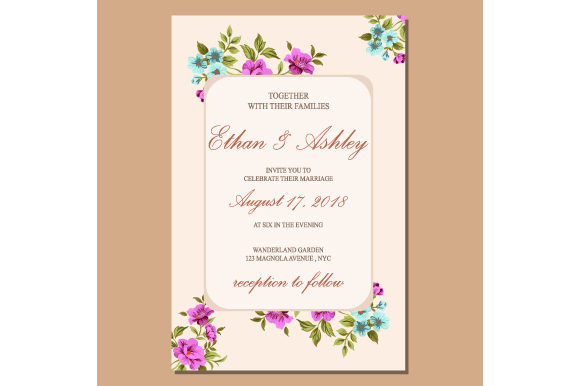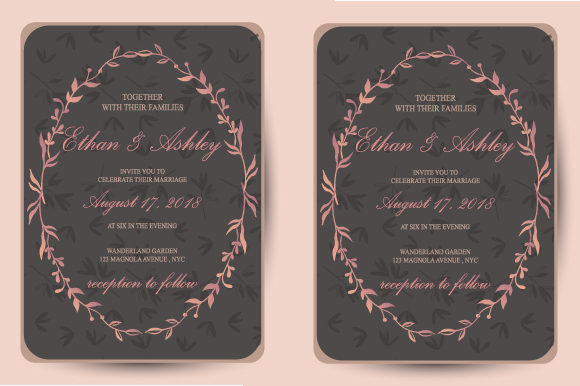
Card with Flower Leaves: A Timeless Element in Modern Wedding Decor and Greeting Design
In a world where digital communication often overshadows the personal touch of handwritten notes, the Card with Flower Leaves has emerged as a meaningful and aesthetically pleasing way to express emotion. This design element combines the natural beauty of floral motifs with the elegance of leaf patterns, making it a popular choice for wedding ornaments, greeting cards, invitations, and more. As trends evolve toward authenticity and sustainability, the Card with Flower Leaves concept is not only relevant but also increasingly sought after by creators, professionals, and everyday users.
The Evolution of Floral Design in Modern Creativity
The use of flowers and leaves in design is nothing new. Historically, these elements have symbolized love, growth, and renewal—making them especially fitting for weddings and other celebratory events. However, in recent years, there has been a shift from generic floral prints to more personalized and intricate designs. The Card with Flower Leaves concept reflects this change by offering a unique blend of botanical artistry that resonates with modern sensibilities.
Today’s consumers are looking for items that tell a story, evoke emotion, and stand out from mass-produced alternatives. This demand has led to an increase in custom-designed greeting cards and decorative elements that feature hand-drawn or digitally rendered flower leaves. Whether used for wedding invitations, thank-you cards, or social media backgrounds, these designs offer both visual appeal and emotional depth.
Why Card with Flower Leaves is Relevant Today
The Card with Flower Leaves concept aligns with several current trends, including the rise of eco-friendly practices, the growing appreciation for handmade goods, and the desire for more meaningful communication in both personal and professional settings. In an age where digital interactions dominate, physical cards with natural imagery provide a tangible connection that cannot be replicated online.
Wedding planners and event designers are particularly drawn to the versatility of flower leaves in their work. These elements can be incorporated into everything from table centerpieces to stationery, creating a cohesive and elegant aesthetic. Additionally, the availability of high-quality file formats like vector EPS and JPG makes it easy for designers to adapt these visuals for print or digital use without losing quality.
Practical Applications Across Industries
The Card with Flower Leaves concept is not limited to the wedding industry alone. It has found its way into various sectors, including:
- Event Planning: Used in invitations, programs, and signage for weddings, birthdays, and corporate events.
- Graphic Design: Incorporated into branding materials, social media posts, and website backgrounds.
- Educational Materials: Added to certificates, diplomas, and student gifts to enhance their visual appeal.
- Business Communication: Included in thank-you notes, client proposals, and internal memos to convey professionalism and care.
For entrepreneurs and marketers, the ability to customize flower leaves within cards and other materials allows for greater brand differentiation. By using these designs, businesses can create a more memorable and emotionally engaging experience for their customers.
Trends Shaping the Demand for Botanical Designs
The increasing popularity of Card with Flower Leaves can be attributed to broader lifestyle and design trends. One such trend is the move toward minimalism and organic aesthetics. Unlike bold, maximalist designs, botanical illustrations offer a sense of calm and sophistication that appeals to a wide audience.
Another factor driving this trend is the rise of remote work and digital communication. As people spend more time online, there is a growing need for visual elements that bring warmth and personality to digital spaces. High-resolution flower leaves graphics serve as excellent background elements for virtual meetings, presentations, and even personal blogs.
Moreover, the influence of social media platforms like Instagram and Pinterest has played a role in shaping consumer preferences. Users are constantly exposed to visually appealing content, which in turn raises expectations for the aesthetics of everyday items, including greeting cards and promotional materials.
How to Incorporate Card with Flower Leaves into Your Work
If you're a designer, marketer, or creative professional looking to incorporate flower leaves into your projects, here are some practical tips:
- Use Vector Files: Opt for the included EPS format for scalable, high-quality printing and digital use.
- Customize for Branding: Add your logo or brand colors to the flower leaves design to create a unique look.
- Experiment with Layouts: Try different arrangements of flower leaves on cards, invitations, or backgrounds to find what works best for your project.
- Pair with Text: Combine the imagery with thoughtful typography to enhance the message being conveyed.
These strategies not only help in creating visually appealing content but also ensure that the Card with Flower Leaves concept remains versatile and adaptable to various needs.
The Future of Botanical Design in Creative Industries
As we look ahead, it's clear that the Card with Flower Leaves concept will continue to evolve alongside technological advancements and changing consumer preferences. With the rise of AI-generated art and augmented reality, there may be new ways to integrate flower leaves into interactive experiences, such as digital greeting cards that come to life on mobile devices.
At the same time, the emphasis on sustainability and ethical sourcing will likely influence how these designs are created and used. For instance, eco-conscious designers may opt for recycled paper or plant-based inks when producing physical cards featuring flower leaves.
Regardless of these changes, one thing remains certain: the Card with Flower Leaves will continue to hold a special place in the hearts of those who value beauty, meaning, and connection in their daily lives.